LA MASTER ITALIANA
Our story,
across three generations
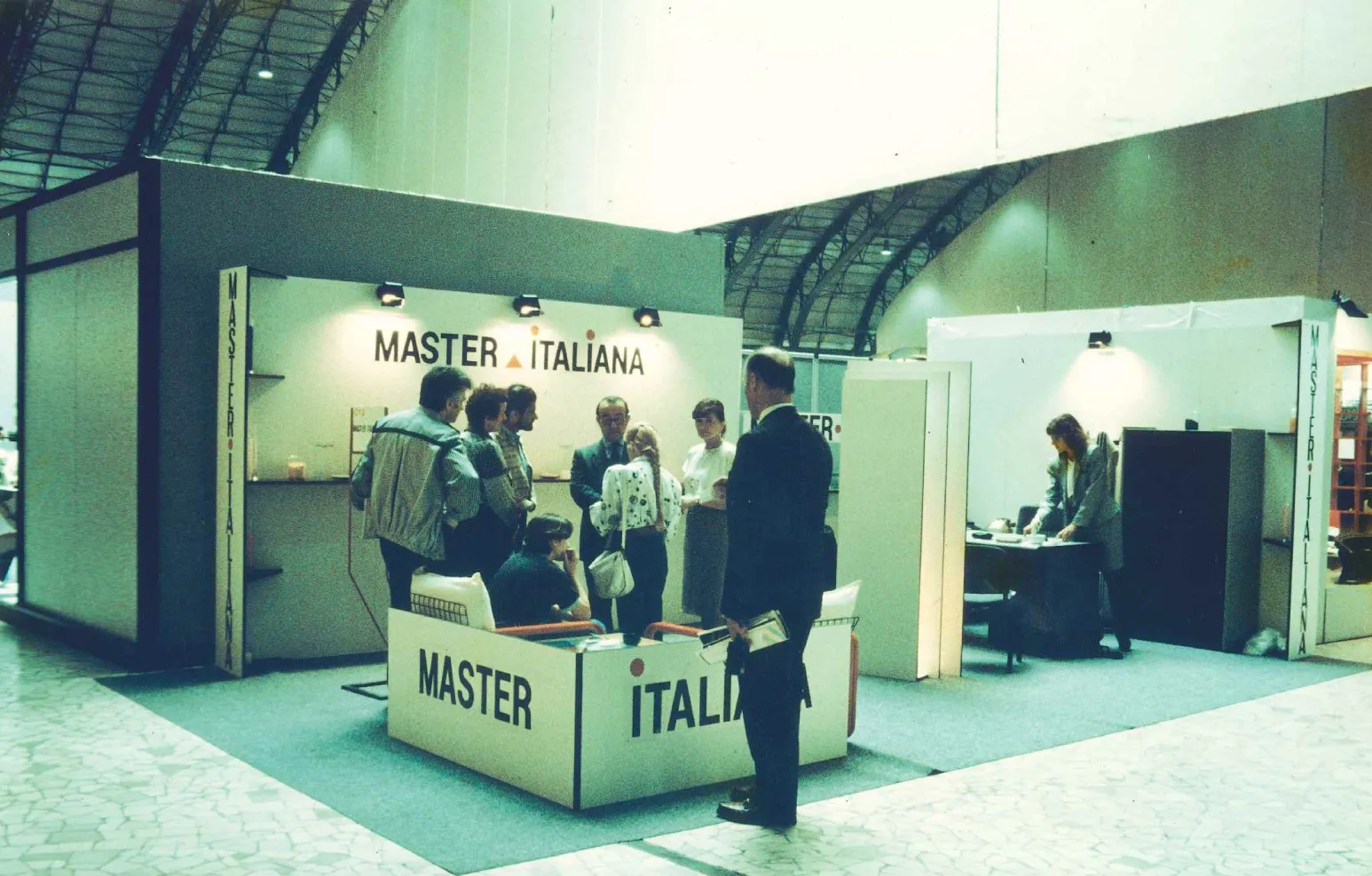
The company was founded in Varese in 1964 by Lucio Regè (1928–2016), an industrial chemist with deep expertise in plastics and synthetic resins.
The innovative method
In the 1960s, Lucio Regè devised an innovative method for making “his” first masterbatch (GR), using know-how of his own invention and a modified machine.
The result? A masterbatch produced without exposing the compound to thermal shock, so its properties were fully preserved.
That technology is still used for certain applications today. Over time it was joined by the classic pellet and by other physical forms, each one created to meet a particular need.
Our production facility
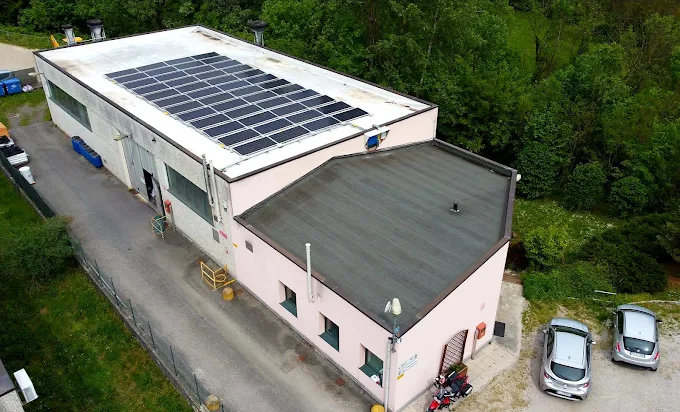
Our headquarters houses a dedicated production department and a well-equipped laboratory for masterbatch and compound research.
In recent years we have made choices that helped us grow, including a new department fitted with latest-generation machinery.
We work exclusively with co-rotating twin-screw extruders, chosen because they represent the most advanced approach to masterbatch production.
This technology lets us serve large companies with high-volume runs. It also lets us produce refined creations with special effects, and even colours made for artistic use.
THE LABORATORY
AN OPEN EYE ON INNOVATION
We have always kept a close watch on what's new in the market. Our aim is to:
- bring fresh ideas to our customers and stay ahead of market trends;
- anticipate their requests;
- find a solution for every need.
Using our in-house technologies, our laboratory is always at work sampling and formulating colours for every sector: agriculture, automotive, footwear, cosmetics, fashion, construction, design, valves, piping, plumbing, diving, boating and more.
Beyond our wide range of colours and special effects, this commitment to research shows in the 7 different physical forms of masterbatch we offer. Each one was developed to solve a problem a customer brought to us, whether it involved dispersion, production costs or processing equipment.

Each form is built on a specific polymer, making the masterbatch as compatible as possible with its intended use.

So beyond the classic pellet in various sizes, we also vary the carrier. The only ‘foreign’ substance left in the finished part is the colour itself.

Our technologies allow us to colour any thermoplastic material.
A blend of several polymers
The universal masterbatches made by La Master Italiana Srl aren't based on a single polymer. They use a blend of several polymers which, together with additives and the right pigments and dyes, produce a masterbatch with a low let-down ratio. For our customers, that means a lower final cost.
IN THE PRESS